

The expected lifespan of polybutylene pipes is a serious concern for homeowners across South Florida. In our experience, while there is no exact expiration date, these pipes often begin to fail within 10 to 15 years of installation due to their material composition and vulnerability to local water conditions, making them a significant risk for any home where they are still present.
At DC Plumbing, this is one of the most common questions we hear from families in Boynton Beach, Boca Raton, and West Palm Beach. As a family owned and operated business with three generations of plumbing experience, we’ve seen firsthand the damage these pipes can cause. Understanding the real polybutylene pipe lifespan isn’t about finding a date on a calendar; it’s about understanding the risk that grows every year you wait.
What Are Polybutylene Pipes and Why Are They a Problem?
Polybutylene (or poly-b) is a form of plastic resin that was used extensively for plumbing pipes from the late 1970s to the mid 1990s. It was seen as a miracle material: it was inexpensive, flexible, and easy to install. As a result, it was used in millions of homes across the country, including many right here in Palm Beach County.
Unfortunately, a critical flaw was discovered over time. The plastic material reacts negatively with common oxidants found in public water supplies, such as chlorine. This chemical reaction causes the pipes to become brittle and develop micro-fractures from the inside out. This is the key problem: a polybutylene pipe can look perfectly fine on the outside while being structurally compromised and ready to fail without warning.
The Reality of Polybutylene Pipe Lifespan in South Florida
While the general estimate for failure is 10 to 15 years, the actual lifespan can be shorter here in South Florida. Several local factors can accelerate the degradation process:
- Water Chemistry: Municipal water treatment in our area uses disinfectants that are particularly hard on polybutylene plastic, breaking it down faster.
- Heat and Humidity: South Florida’s high heat can contribute to the material’s breakdown over time, especially in attics or other hot spaces where pipes are located.
- Installation Issues: The plastic fittings originally used with poly-b systems were also a major point of failure, prone to cracking and leaking.
Because the damage happens internally, predicting a failure is nearly impossible. A home could go 25 years with no issues, while a neighboring home could experience a catastrophic failure after just 12 years. This unpredictability is precisely why many insurance companies refuse to cover homes with these pipes.
Warning Signs of Failing Polybutylene Pipes
While a sudden burst is the most feared outcome, there are sometimes subtle signs that your pipes are nearing the end of their polybutylene pipe lifespan. If you notice any of the following warning signs, it’s time to schedule a professional inspection before a small issue becomes a costly plumbing emergency.
- Unexplained changes in water pressure.
- Water that appears discolored, rusty, or has small flakes of plastic in it.
- Damp spots on drywall, ceilings, or flooring.
- Bulging or blistering on the pipe itself (if visible).
- A sudden, unexplained increase in your water bill, which could signal a hidden leak.
Ignoring these symptoms can lead to extensive water damage. If you suspect a hidden leak, a professional TV camera inspection can help identify the problem without tearing open your walls.
Why Proactive Replacement is the Only Real Solution
Many homeowners ask if they can just repair a small leak. While a spot repair is possible, it’s like putting a bandage on a system wide problem. The failure of one section of pipe is a strong indicator that the rest of the system is just as compromised. The a limited polybutylene pipe lifespan means that another leak is not a matter of if, but when.
This is why a complete re-pipe is the solution we, as licensed master plumbers, recommend. Proactively replacing your entire poly-b system with modern materials like PEX or copper eliminates the risk entirely. This not only protects your home from water damage but also resolves issues with homeowners insurance and increases your property’s value and marketability. For homeowners considering selling, addressing this is crucial, as polybutylene pipes are a major red flag for home inspectors and buyers.
Our team at DC Plumbing of South Florida specializes in polybutylene re-pipe services and has helped countless families across South Florida secure their homes and their peace of mind.
Frequently Asked Questions About Polybutylene Pipes
What Factors Can Shorten the Polybutylene Pipe Lifespan?
Several factors can shorten the polybutylene pipe lifespan, particularly in Florida homes. Exposure to treated municipal water, high temperatures, humidity, and aging plastic fittings can accelerate deterioration. Even if the pipes appear to be in good condition, internal degradation may already be occurring. A professional plumbing inspection can help determine whether your polybutylene system is approaching the end of its useful life and whether replacement should be considered.
Can I tell if I have polybutylene pipes myself?
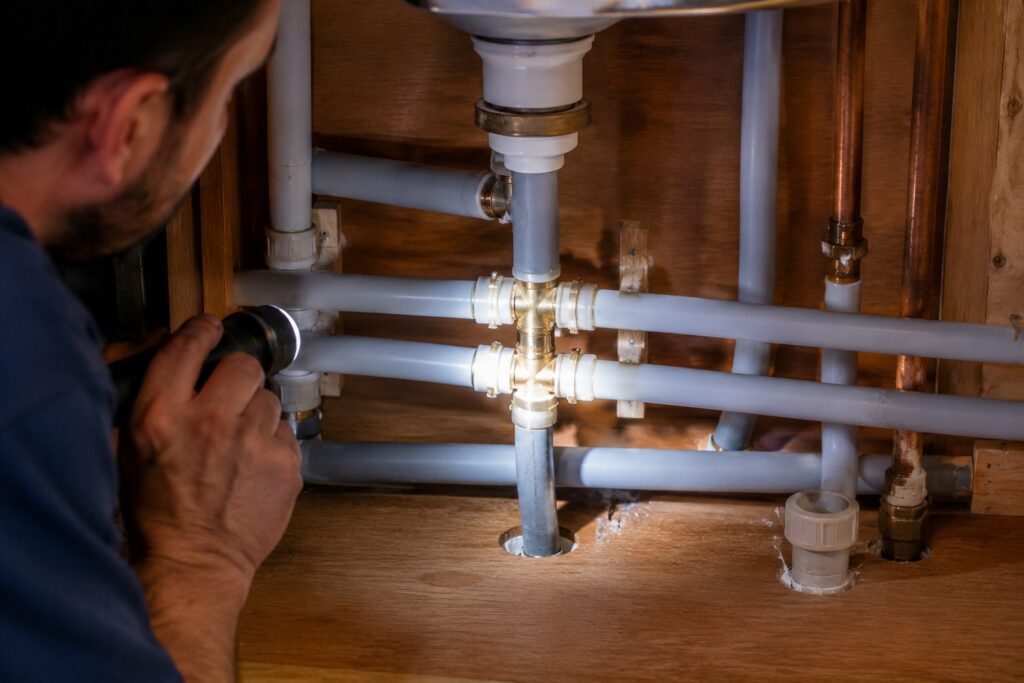
You can often identify them by their appearance. Polybutylene pipes are typically gray, flexible plastic pipes, usually a half-inch to one-inch in diameter. You might see them near your water heater, under sinks, or coming out of the walls. However, the only way to be 100% certain is to have a licensed plumber perform an inspection.
Will my homeowners insurance cover damage from a polybutylene pipe leak?
This is a major issue in Florida. Many insurance carriers will not write new policies for homes with poly-b plumbing, and others may cancel existing policies or deny claims related to their failure. It’s best to check directly with your insurance agent, but proactive replacement is the safest route to ensure you remain covered.
How long does a whole house re-pipe take?
Every home is different, but a full re-pipe for a typical single family home can often be completed in a few days. Our team works efficiently to minimize disruption to your family. We understand the stress of a major plumbing job and focus on making the process as smooth as possible for homeowners in areas like Boca Raton.
Is replacing polybutylene pipes a good investment?
Absolutely. It’s an investment in the safety and value of your property. It prevents costly water damage, solves major insurance hurdles, and is a significant selling point for potential buyers. According to the U.S. Environmental Protection Agency, fixing household leaks can save homeowners about 10 percent on their water bills, and a full re-pipe prevents the biggest leaks of all. See more at the EPA WaterSense program.
Trust Your Home to South Florida’s Re-Pipe Specialists
When it comes to the polybutylene pipe lifespan in your home, waiting is a gamble we never recommend. The risk of sudden failure and the associated water damage is simply too high. For over 30 years, three generations of the Cakic family have dedicated themselves to providing honest, professional plumbing services to our neighbors.
If you have concerns about the plumbing in your home, our licensed and insured team is here to help. We offer straightforward assessments and can help you understand your options. Contact DC Plumbing of South Florida today to schedule an inspection and get the peace of mind you deserve.