

Purchasing a home in South Florida is a dream for many. The sun, the beaches, and the vibrant communities in cities like Boca Raton and Boynton Beach are incredibly appealing. As you navigate the exciting process of finding your perfect property, you’re likely focused on square footage, curb appeal, and school districts. However, a hidden and potentially disastrous issue could be lurking behind the walls: polybutylene piping.
For anyone buying a home built between the late 1970s and mid-1990s, understanding the risks associated with this type of plumbing is not just important—it’s crucial for protecting your investment. A standard home inspection might not catch it, but the consequences of missing it can be catastrophic. A polybutylene pipe inspection can help uncover hidden issues before you sign on the dotted line.
What Exactly Are Polybutylene Pipes?
Polybutylene (PB) is a form of plastic resin that was widely used in the manufacturing of water supply piping from approximately 1978 to 1995. At the time, it was considered an affordable and convenient alternative to copper, which led to its widespread use in homes across the country, including many properties in Florida. If you are concerned about older plumbing materials, scheduling a polybutylene pipe inspection is a smart first step.
These pipes were installed in millions of homes, promising durability and cost-effectiveness. However, over time, a serious flaw emerged. The very chemicals used in municipal water treatment facilities to keep our water safe, such as chlorine, were found to react with the polybutylene material. This chemical reaction causes the pipes to become brittle and flake away from the inside out, leading to micro-fractures that grow over time.
Florida’s Climate: A Catalyst for Pipe Failure
In South Florida, local environmental factors can accelerate the degradation of polybutylene. Extreme heat and high humidity levels may impact plumbing materials over time. When attic temperatures rise during summer months, the plastic polymers in PB pipes can expand and contract more aggressively.
This thermal cycling, combined with mineral content often found in groundwater, may increase wear and tear inside the pipes. That is one reason a polybutylene pipe inspection is often recommended for older homes in the region.
Common Homeowner Mistakes to Avoid
Many homeowners inadvertently shorten the lifespan of their PB systems. One common mistake is the use of high-concentration chemical drain cleaners. Harsh chemicals may further weaken already aging materials.
Another issue is failing to maintain consistent water pressure. If a pressure regulator fails and allows water pressure to rise too high, weakened joints are often the first area to fail. Regular maintenance and a polybutylene pipe inspection may help reduce these risks.
The Hidden Danger: Why Polybutylene Is a Ticking Time Bomb
The most dangerous aspect of polybutylene pipes in Florida is that the decay often happens from within. The pipes may look perfectly fine on the outside, showing no visible signs of wear or damage, while internally they continue to weaken over time. This makes it difficult to predict when a failure may occur. It could be a small pinhole leak that goes unnoticed for months, causing mold and structural damage, or a sudden burst that floods the home within minutes. A professional polybutylene pipe inspection can help identify warning signs and assess the condition of the system before serious damage happens.
This widespread failure led to a major class-action lawsuit in the 1990s, Cox v. Shell Oil, which resulted in a settlement of nearly a billion dollars. While the settlement period has long since passed, the problematic pipes remain in countless homes. For a homebuyer, this means inheriting a significant liability that could lead to thousands of dollars in water damage repairs and re-piping costs.
How to Identify Polybutylene Pipes in a Home
If the home you’re considering was built or replumbed during the 1978-1995 timeframe, it’s wise to be on the lookout. While a professional South Florida plumber or a skilled boynton beach plumber is the only one who can give you a definitive answer, here are a few things you can look for during a walkthrough. This is how to identify poly-b piping at a glance.
Check the Color and Markings
Polybutylene pipes are typically not white or red like modern PEX pipes or metallic like copper. Instead, they are most often:
- Gray: The most common color for interior plumbing.
- Blue: Often used for main water service lines outdoors. You might see it coming into the house near the main shutoff valve.
- Black or Cream: Less common, but still used.
The pipes will also usually have a code printed on them. Look for the letters “PB2110.” This is the definitive code for polybutylene.
Know Where to Look
You can often spot these pipes near key plumbing fixtures. Check these common areas:
- Pipes connected to the top of your water heater.
- The main water shutoff valve for the house.
- Pipes in unfinished basements, crawlspaces, or attic ceilings.
- The plumbing under sinks and leading to toilets (stub-outs).
Even if visible lines appear upgraded, hidden piping may still remain behind walls. A professional polybutylene pipe inspection can confirm the system condition.
The Impact on Your Home Purchase and Insurance
In today’s real estate market, especially in South Florida, home inspectors and insurance companies are highly aware of the risks of polybutylene. If an inspector identifies polybutylene piping in Florida homes, it can create major roadblocks to closing the deal. A polybutylene pipe inspection can help uncover these issues early and give buyers a clearer understanding of the property’s plumbing condition. Working with an experienced Boynton Beach plumber can also help you navigate these findings.
Many insurance companies will refuse to write a policy for a home with this type of plumbing. Without homeowners insurance, you cannot get a mortgage. Those that do offer coverage will often charge exorbitant premiums or exclude water damage caused by plumbing failures, defeating the purpose of the coverage itself.
This reality has led to a surge in post-inspection negotiations where the buyer requires the seller to complete a full re-pipe before the sale can be finalized. As a buyer, making your offer contingent on a satisfactory plumbing inspection can save you from a massive financial headache down the road.
The Solution: A Professional Re-pipe for Peace of Mind
If the home of your dreams has polybutylene pipes, it is not always a deal-breaker. A whole-house re-pipe can replace aging lines with modern materials such as PEX or copper.
This upgrade can reduce future leak risks, improve insurability, and add value to the property. In many cases, a polybutylene pipe inspection is the first step toward understanding whether replacement is necessary.
Modern Solutions: The Best Materials for the Job
When we perform a re-pipe, we don’t just replace old plumbing with similar materials. We use modern, high-quality options designed for long-term durability and dependable performance. For PEX installations, trusted systems with advanced connection methods can provide reliable water flow and flexibility. For homeowners who prefer metal piping, high-grade copper remains a proven option known for strength and longevity. A prior polybutylene pipe inspection can help determine which replacement solution best fits the home’s needs.
A professional re-pipe does more than reduce the risk of a major leak. It can also add value to the property, improve insurability, and provide greater peace of mind for years to come. For many homeowners, it is a smart investment in the long-term health, safety, and stability of the home.
Why Choose a Specialist for Your South Florida Re-pipe?
When it comes to a task as critical as replacing your home’s entire plumbing system, you need more than a general handyman. You need a dedicated specialist. DC Plumbing of South Florida is a family-owned and operated business with experience spanning three generations. As a State Licensed and Insured Master Plumber, we are dedicated to serving South Florida families and businesses with the highest level of professionalism and integrity.
We specialize in polybutylene re-pipes, understanding the unique challenges and best practices required to do the job efficiently and with minimal disruption to your home. We provide honest, upfront assessments and ensure the work is done right the first time. If an inspection on your potential new home in Boca Raton or Boynton Beach has uncovered polybutylene pipes, we can provide the expert guidance and service you need. For an honest, professional assessment, we encourage you to learn more about our services.
Frequently Asked Questions (FAQ)
Q1: How disruptive is a whole-house re-piping project?
A: Professional plumbers who specialize in re-piping work to minimize disruption. The process involves making small, precise cuts in the drywall to access and replace the old pipes. These are typically repaired and patched afterward. While it is an involved job, an experienced team can often complete a re-pipe on an average-sized home in just a few days.
Q2: Why can’t I just repair a single leak in a polybutylene system?
A: Repairing one leak is a temporary fix for a systemic problem. Since the entire system is degrading from the inside, a leak in one spot is a strong indicator that other sections are also weak and nearing failure. Patching one leak often puts more pressure on other fragile parts of the system, leading to another, potentially worse, break.
Q3: Will replacing the pipes increase my home’s value?
A: Absolutely. A new plumbing system is a major selling point. It removes a significant point of failure, makes the home easy to insure, and gives future buyers peace of mind. It’s an upgrade that provides a tangible return on investment, both in home value and in preventing costly water damage.
Q4: How do I know for sure if my potential new home has these pipes?
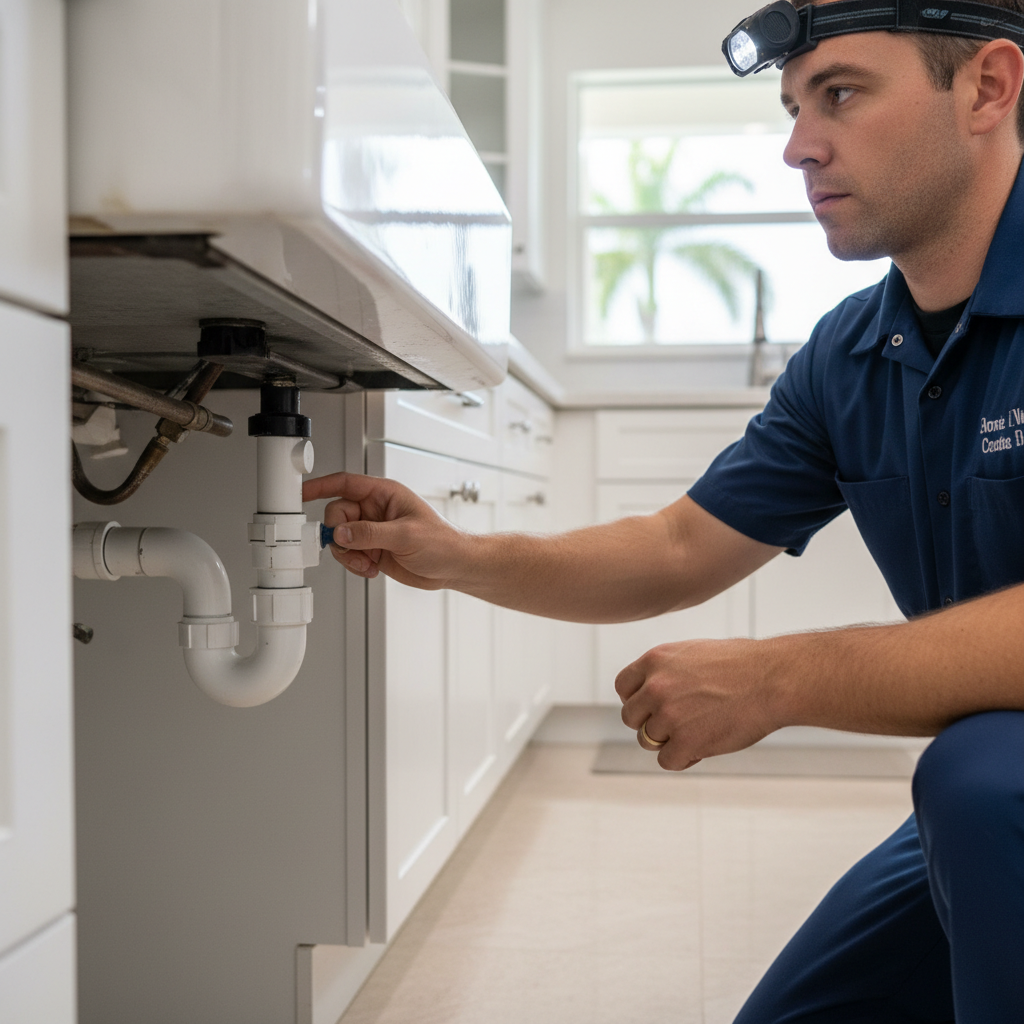
A: The only way to know for certain is to hire a licensed and insured South Florida plumber to perform a specific plumbing inspection. They have the expertise to identify polybutylene pipes Florida homes may have, assess the system’s condition, and provide a detailed report on what needs to be done. This should be a standard part of your due diligence process when buying an older home.