

When it comes to plumbing issues that can cause headaches for Florida homeowners, few are as notorious as polybutylene pipes. Danny Cakic, the owner of DC Plumbing of South Florida, has built his reputation on helping residents address this problem quickly and effectively. With over 30 years of family expertise—spanning three generations—Danny has seen firsthand how these pipes can impact homes across the state.
Whether you’re buying a home, selling one, or simply maintaining your property, knowing the risks and solutions for polybutylene pipes in Florida can save you time, money, and stress.
Read our customer reviews on Google and see why homeowners trust Danny for their plumbing needs.
What Are Polybutylene Pipes?
Polybutylene pipes were a popular plumbing choice from the late 1970s through the mid-1990s due to their low cost, flexibility, and ease of installation. Made from a type of plastic resin, they were marketed as a “revolutionary” alternative to copper. Unfortunately, over time, homeowners and plumbers discovered a serious flaw: these pipes tend to degrade when exposed to chlorine and other chemicals commonly found in municipal water supplies.
In Florida’s warm climate—where water systems often rely on chemical treatment—this degradation can happen faster than in other parts of the country. Many homes built during that time still have polybutylene pipes in Florida, making this a common issue for buyers and sellers.
Why Do Polybutylene Pipes Need to Be Inspected?
Polybutylene pipes can look fine on the outside while deteriorating on the inside. As the inner walls weaken, they become prone to leaks, cracks, and sudden bursts. This damage is often invisible until it’s too late, resulting in water damage, mold growth, and costly repairs.
Home inspectors in Florida are well aware of the risks, and many mortgage companies require that polybutylene pipes be inspected—or even replaced—before approving a loan. If you own a home with these pipes, an inspection is your first line of defense against unexpected plumbing disasters.
An inspection not only identifies the presence of polybutylene pipes in Florida homes but also documents their condition. This can be crucial if you’re selling your property or filing a homeowner’s insurance claim.
How Are Polybutylene Pipes Inspected?
A professional plumber in South Florida, like those at DC Plumbing of South Florida, will start with a visual inspection to identify the telltale signs of polybutylene piping. These include:
- Color and material: Polybutylene pipes are usually blue, gray, or black with a dull finish.
- Fittings: Often connected with copper or plastic crimp fittings.
- Location: Commonly found in crawl spaces, basements, attics, or running along exterior walls.
In some cases, inspection may require cutting small access points to check hidden sections. Specialized tools like moisture meters or thermal imaging cameras may also be used to detect hidden leaks or temperature changes indicating water flow outside the pipes.
The goal of an inspection is not only to confirm whether polybutylene pipes are present but also to assess whether they are actively failing or at immediate risk of doing so.
Do Polybutylene Pipes Need to Be Replaced?
If your home has polybutylene pipes, replacement is almost always the recommended solution—especially in Florida’s climate. Even if the pipes are not currently leaking, they can fail without warning. Replacement is often the most cost-effective choice when considering the potential expense of water damage repairs.
In real estate transactions, replacing polybutylene pipes can also be a selling point. Buyers are more likely to move forward confidently when they know the plumbing system is safe and up to date.
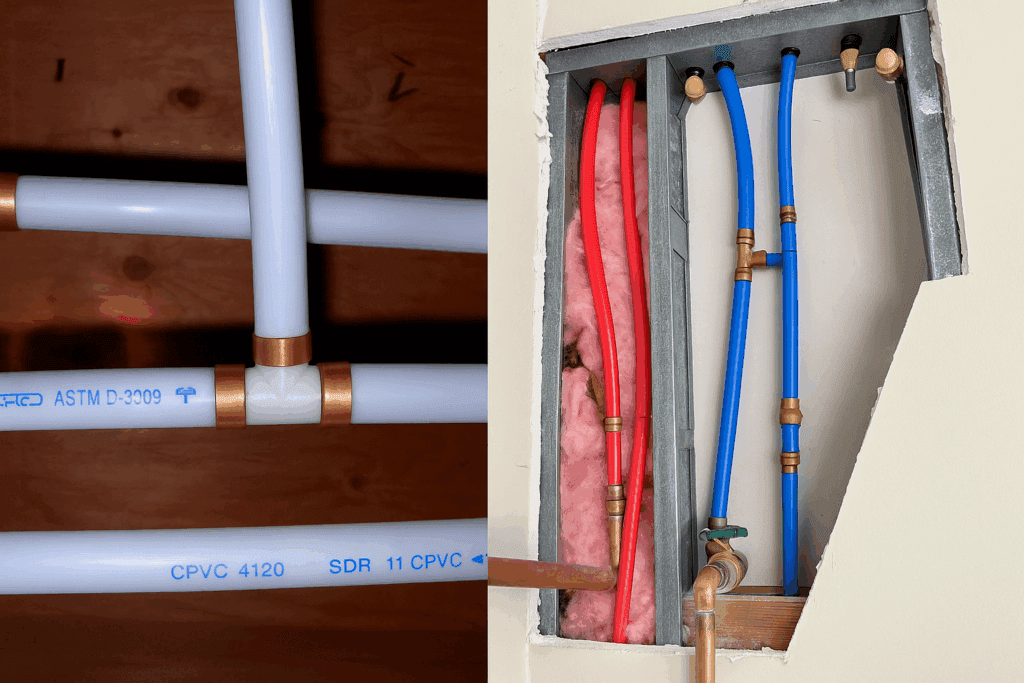
DC Plumbing of South Florida specializes in polybutylene pipe replacement, offering solutions that minimize disruption to your home. Using modern piping materials like PEX or copper ensures durability, compliance with current building codes, and long-term peace of mind.
How Do I Find a Plumber Who Specializes in Polybutylene Pipe Replacement?
Not all plumbers have the experience needed for efficient, code-compliant polybutylene pipe replacement. Here are a few tips for finding the right expert:
- Look for specialization – Choose a plumber with a proven track record specifically in polybutylene pipe replacement.
- Check credentials – Ensure they are licensed and insured in Florida.
- Ask for references – A reputable plumber will have satisfied customers willing to share their experiences.
- Review online feedback – Check Google reviews and ratings for customer satisfaction and reliability.
- Get a detailed estimate – Ask for a written breakdown of costs, timelines, and materials to avoid surprises.
Danny and his team at DC Plumbing of South Florida meet all these qualifications and more. With decades of hands-on experience, they understand the unique challenges of replacing polybutylene pipes in Florida homes.
The Bottom Line
If your home has polybutylene pipes, the question isn’t if they will fail—it’s when. Florida’s climate and water treatment processes accelerate their deterioration, making proactive inspection and replacement essential.
DC Plumbing of South Florida offers expert polybutylene pipe inspection and replacement services backed by three generations of plumbing experience. Whether you’re buying, selling, or simply protecting your investment, Danny and his team are ready to help you avoid costly water damage and enjoy a safer, more reliable plumbing system.
Don’t wait for a leak to disrupt your life—protect your home today. Contact DC Plumbing of South Florida for professional inspection and replacement of polybutylene pipes in Florida.
Phone: 561-816-2835
Email: danny@dcplumbingofsoflo.com
Contact Form: Request a Callback