

If your home was built between 1978 and 1995, there’s a chance it contains a hidden hazard behind the walls—polybutylene pipes. While once touted as an affordable plumbing solution, these pipes have a history of sudden failure, costing homeowners thousands in repairs and insurance claims.
In this guide, the expert team at DC Plumbing of South Florida explains how to identify polybutylene pipes, why they’re dangerous, and what to do if you find them. A quick inspection today could save you from a flood tomorrow.
🚰 What Are Polybutylene Pipes?
Polybutylene (PB) is a type of plastic resin used in residential plumbing systems from the late 1970s through the mid-1990s. PB pipes were popular for:
- Hot and cold water lines
- Main water supply lines
- Plumbing systems in condos and mobile homes
In South Florida’s heat and humidity, these pipes deteriorate faster, making proactive identification especially important for local homeowners.
🧯 Why Were Polybutylene Pipes Discontinued?
Despite early popularity, PB pipes were found to:
- React with chlorine in municipal water, forming micro-cracks
- Degrade at joints and fittings
- Fail without warning, causing water damage
The result? A massive class-action lawsuit (Cox v. Shell Oil) and nearly $1 billion paid out to affected homeowners.
🔍 How to Identify Polybutylene Pipes in Your Florida Home
Wondering if your home is at risk of hidden plumbing issues? Learn how to identify polybutylene pipes by following these simple steps and protect your property from unexpected water damage.
1. Check Your Home’s Construction Year
Was your home built or repiped between 1978 and 1995? If so, you’re in the high-risk window.
2. Look for Exposed Pipes
Inspect areas like:
- Under sinks
- Water heaters
- Attics and crawlspaces
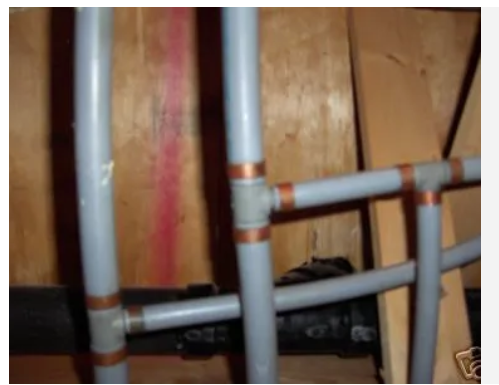
PB pipes are usually:
- Gray, blue, or black
- Flexible and plastic-like
- Labeled with “PB” or “PB2110”
3. Examine Pipe Markings
Common labels include:
- PB2110
- CSA-B137.8
- ASTM D3309
These markings confirm the pipe’s material and distinguish it from PEX or CPVC.
4. Inspect Pipe Fittings
Look for:
- Aluminum or plastic crimp rings
- Metal clamps or connectors
- Loose or deteriorating joints
Any sign of stress or separation is a major red flag.
⚠️ The Dangers of Polybutylene Pipes
Still considering leaving them in place? Before you decide, learn how to identify polybutylene pipes and understand the serious risks they pose to your home—including sudden leaks, insurance issues, and costly repairs.
💧 Sudden Water Damage
PB pipes fail without warning, flooding your home and damaging walls, flooring, and valuables.
💸 Insurance Issues
Many insurers won’t cover homes with PB pipes—or will hike premiums significantly.
📉 Lower Property Value
PB pipes reduce your home’s resale value and can delay closings during inspections.
⚖️ Legal Liability
Selling a home with undisclosed PB pipes could land you in legal trouble.
🛠️ What to Do If You Find Polybutylene Pipes
1. Book a Professional Plumbing Inspection
Our team at DC Plumbing of South Florida provides detailed, local plumbing inspections—including full pipe assessments.
2. Consider Repiping Your Home
We offer:
- Full or partial repiping solutions
- Durable alternatives like PEX and copper
- Minimal-intrusion techniques to protect walls and floors
3. Keep Documentation
Save all inspection and repiping paperwork for insurance purposes and future home sales. It builds buyer confidence and adds value.
👷 Why Choose DC Plumbing of South Florida?
We’re South Florida’s trusted name in polybutylene pipe inspection and repiping. Here’s why:
✅ Licensed, insured, and highly rated
✅ Hundreds of positive reviews on HomeAdvisor and Yelp
✅ Transparent pricing and honest assessments
✅ Clean, respectful, on-time service
🗣️ “This plumber is very punctual and extremely neat… He’s also a very pleasant gentleman.”
— George C., Boca Raton, FL
📞 Protect Your Home Today
Don’t wait for a pipe to burst. Identifying polybutylene pipes early helps prevent water damage, insurance issues, and future headaches.
📱 Call us: 561-816-2835
📧 Email: danny@dcplumbingofsoflo.com
🌐 Website: https://dcplumbingofsoflo.com
🔗 Follow us: Facebook
Serving South Florida homeowners with integrity, speed, and care.
🏁 Final Thoughts
If your home was built before 1996, take action now. Knowing how to identify polybutylene pipes could save you thousands in repair costs and give you peace of mind.
DC Plumbing of South Florida is here to help—before the first drip becomes a disaster.