

The South Florida real estate market is competitive, and as a homeowner in Boynton Beach, you’ve likely taken great care to prepare your property for sale. You’ve staged the rooms, touched up the paint, and perfected the curb appeal. You accept an offer, and everything is moving along smoothly until the home inspection report lands on the table. That’s when you see it: a note about the presence of “polybutylene plumbing.”
For many sellers, this is the first time they’ve heard the term. Yet, this discovery can quickly complicate, or even derail, a promising home sale. Suddenly, buyers are hesitant, and insurance companies are raising red flags. If you’ve found yourself in this situation, don’t panic. Understanding what polybutylene pipes are, why they are a concern, and what you can do about them is the key to getting your home sale back on track.
What Are Polybutylene Pipes and Why Are They a Problem in South Florida?
Polybutylene (often called Poly-B) is a form of plastic resin that was used extensively in residential plumbing manufacturing from the late 1970s through the mid-1990s. It was seen as a futuristic material, cheaper than copper and easier to install, which led to its widespread adoption in new home construction, particularly in Sun Belt states like Florida. Millions of homes, including many in Boynton Beach and Boca Raton, were built using this piping.
The Hidden Flaw in Poly-B Piping
The problem with polybutylene pipes isn’t immediately obvious. The pipes don’t rust like galvanized steel, but they have a more insidious weakness. The plastic resin reacts over time to the chlorine and other disinfectants commonly found in municipal water supplies. This chemical reaction causes the pipes to become brittle and develop micro-fractures from the inside out.
Because the damage starts internally, the pipes may look perfectly fine from the outside. Homeowners often have no idea there’s an issue until a catastrophic failure occurs. A pipe can burst without warning, causing extensive water damage to floors, walls, and personal belongings. This high failure rate led to class-action lawsuits and the eventual removal of the material from approved plumbing codes.
How to Identify Polybutylene Pipes in Your Home
If your home was built or re-plumbed between 1978 and 1995, there’s a chance you have polybutylene piping. For sellers, identifying it before the home inspector does can give you a significant advantage. Here’s a quick guide on how to identify polybutylene pipes.
Key Visual Cues
- Color: The most common color for polybutylene pipe is a dull, matte gray. However, it was also manufactured in other colors like silver, black, or blue (typically for cold water lines). It’s important to know what color is polybutylene pipe in its various forms to avoid misidentification.
- Location: You can typically find exposed pipes near your water heater, running across the ceiling in the garage or basement, in attic spaces, or stubbing out from the walls to connect to sinks and toilets. Check the main water shut-off valve as well.
- Markings: The most definitive way to identify Poly-B is to look for the code “PB2110” stamped on the side of the pipe.
- Flexibility: It is a flexible, and often curved, pipe, not rigid like copper or PVC.
While this information is helpful, the only way to be certain is to have a professional inspection. An experienced South Florida plumber can accurately identify polybutylene pipes in Florida homes and assess the situation correctly.
The Impact of Poly-B Pipes on Your Boynton Beach Home Sale
The presence of polybutylene plumbing creates several significant hurdles when selling your home.
- The Home Inspection Report: Modern home inspectors are trained to spot Poly-B. It will be flagged as a potential defect on their report, often with a strong recommendation for a full replacement. This immediately makes buyers nervous.
- Insurance and Mortgage Complications: This is perhaps the biggest deal-breaker. Many insurance companies in Florida refuse to write new policies for homes with known polybutylene plumbing due to the high risk of water damage claims. If a buyer can’t get insurance, they can’t get a mortgage. This can stop a sale in its tracks.
- Negotiations and Reduced Offers: A savvy buyer, upon learning about the pipes, will likely ask for a significant price reduction to cover the cost of a full re-pipe. They may also use it as leverage to negotiate other concessions or simply walk away from the deal in favor of a home without this known liability.
Your Proactive Solution: A Full System Re-Pipe
Discovering you have Poly-B pipes doesn’t have to mean the end of your sale. The most effective solution is a proactive, full re-piping of the home. While it may seem like a daunting expense, it’s better to think of it as an investment that protects your home’s value and ensures a smooth transaction.
By replacing the entire system, you eliminate the problem at its source. Instead of being a negotiating weakness, it becomes a major selling point. You can confidently market your home as having a brand-new, reliable plumbing system, a feature that provides peace of mind to buyers and makes your home far more attractive.
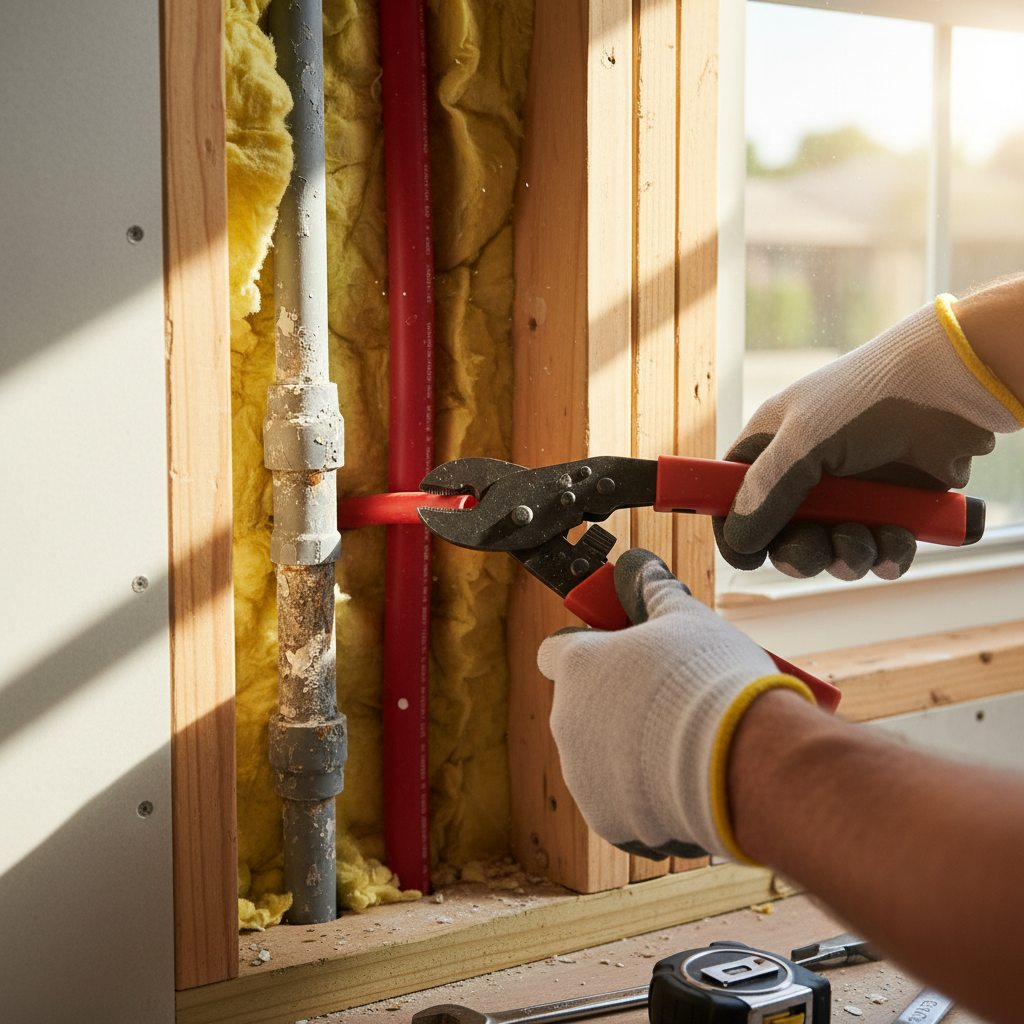
Modern re-piping is a streamlined process. An experienced crew can often complete the job in a matter of days with minimal disruption. They will make small, precise cuts in the drywall to access the old pipes, run new, durable PEX or copper lines, and then professionally patch the drywall. The result is a secure plumbing system that will last for decades.
Why Choose a Specialist for Polybutylene Piping in Florida?
When dealing with a known issue like polybutylene piping in Florida, you need more than just a general plumber. You need a specialist who understands the nuances of the re-piping process and has extensive experience with this specific job. This is not a task for a handyman or a less experienced plumber.
At DC Plumbing of South Florida, we are a family-owned and operated business with a legacy stretching back three generations. With over 30 years of experience, we have become the go-to experts for polybutylene replacement in the Boynton Beach and Boca Raton communities. As a State Licensed Master Plumber, our owner personally oversees our commitment to quality and professionalism. We are fully licensed and insured, and as honest professionals, we are dedicated to serving South Florida families by providing lasting solutions.
Don’t let outdated plumbing jeopardize the sale of your home. Taking decisive action by working with a trusted professional can turn a potential deal-breaker into a powerful selling feature.
If you suspect your home has polybutylene pipes or if an inspection has confirmed it, understanding your options is the first step. For a clear assessment and a straightforward plan from a team that specializes in this work, contact DC Plumbing of South Florida today. We are here to help you protect your investment and ensure your home sale is a success. Give us a call at (561) 571-9389.
Frequently Asked Questions
How long does a full polybutylene re-pipe take?
For an average-sized single-family home, the entire re-piping process typically takes between two to five days. Our experienced team works efficiently to minimize disruption to your household. We can often ensure you have running water at the end of each workday.
What type of pipe is used to replace polybutylene?
The most common and reliable materials used for re-piping today are PEX (cross-linked polyethylene) and copper. PEX is a durable, flexible plastic piping that is resistant to corrosion and easier to install, making it a popular and cost-effective choice. Copper is a classic, long-lasting material as well. We can discuss the pros and cons of each to help you choose the best fit for your home and budget.
Is re-piping a very messy process?
While any plumbing work involves some level of disruption, a professional team takes great care to minimize the mess. We use drop cloths and plastic sheeting to protect your floors and furniture. Drywall cuts are made as small and strategically as possible, and we handle the necessary repairs to leave your home in great condition.
Can I just replace a small section of polybutylene pipe that is leaking?
This is strongly discouraged. Since polybutylene deteriorates system-wide from the inside, fixing one leak is only a temporary patch. It’s not a matter of if another section will fail, but when. A partial repair leaves the rest of your home at risk for a future burst pipe and does not solve the core problem for home inspectors, insurers, or buyers.