

When it comes to protecting your home’s plumbing system, a top priority is to ensure you know how to identify polybutylene pipes buried in your walls.
Hi, I’m Danny, owner of DC Plumbing of South Florida. With over 30 years of experience passed down through three generations—from my grandfather to my father to me—our family has seen firsthand the headaches polybutylene pipes can cause. Based right here in South Florida, we’ve made it our mission to help homeowners like you spot the warning signs before it becomes an expensive disaster. In this post, I’m sharing everything you need to know about how to identify polybutylene pipes, why it’s critical to replace them, and what to do if you find them in your home.
What Are Polybutylene Pipes?
Polybutylene pipes are a type of plastic resin piping installed in millions of homes across the U.S. between the late 1970s and mid-1990s. They were once considered “the pipe of the future” due to their low cost and easy installation. Unfortunately, time has proven otherwise.
These pipes are now known for their tendency to become brittle and fail without warning, particularly in areas like South Florida where heat and water chemistry can accelerate degradation.
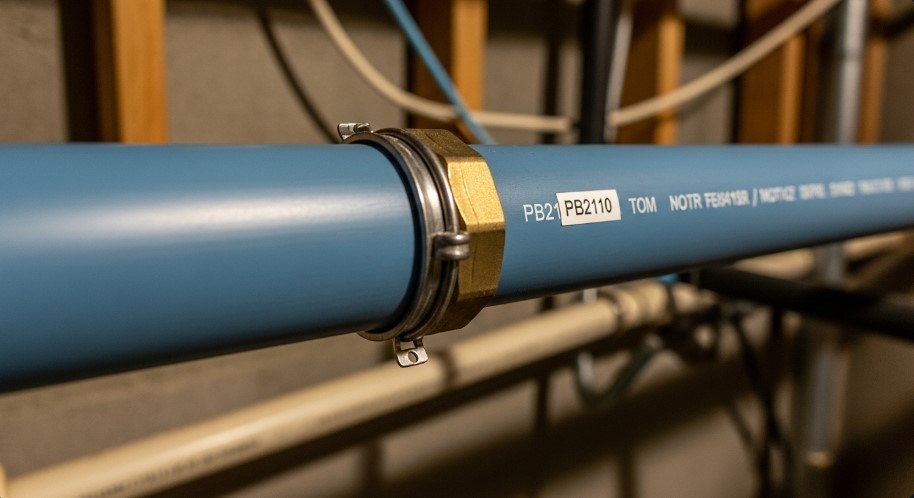
Left photo: Polybutylene pipes Right photo: PEX pipes
Why You Need to Know How to Identify Polybutylene Pipes
Identifying polybutylene pipes early can save you thousands of dollars in water damage and repairs. These pipes often fail inside walls or underground, meaning leaks can go undetected until there’s major damage.
As part of home inspections, especially in real estate transactions, knowing how to identify polybutylene pipes is essential. Insurance companies may even deny coverage for homes with these pipes still in place. In fact, many real estate deals in South Florida fall through or are delayed because of polybutylene pipe discoveries.
The earlier you find them, the more options you have to deal with them efficiently and affordably.
How to Identify Polybutylene Pipes: What to Look For
Now let’s get into the details. If you’re wondering how to identify polybutylene pipes, here’s what to look for:
1. Pipe Color and Texture
- Polybutylene pipes are typically gray, blue, or black.
- The most common color in residential homes is gray.
- The surface is smooth and slightly flexible.
2. Stamp or Label
- Look for “PB” followed by a series of numbers (often PB2110) stamped on the pipe.
- This label is a surefire indicator you’re looking at polybutylene.
3. Locations in the Home
- Near the water heater, under sinks, and at main water shut-off valves.
- Pipes entering the home from outside—often visible in basements, crawl spaces, or utility closets.
4. Fittings
- Polybutylene pipes typically have metal or plastic crimp fittings, which can become brittle and leak over time.
5. Age of the Home
- If your home was built between 1978 and 1995, there’s a strong chance it may contain polybutylene piping.
Homeowners in neighborhoods built during that time frame should be especially vigilant.
The Risks of Polybutylene Pipes in South Florida
Due to South Florida’s warm climate and treated water, the deterioration process for these pipes can accelerate. Chlorine and other water treatment chemicals can break down the inner surface of polybutylene, leading to micro-fractures and eventual bursts.
DC Plumbing of South Florida receives emergency calls every month from homeowners dealing with the aftermath of these silent pipe failures. We’ve seen damage that has ruined floors, walls, and ceilings, not to mention sentimental possessions.
The scary part? Polybutylene pipes don’t usually show signs of wear until it’s too late.
Replacing Polybutylene Pipes: What You Need to Know
Once you’ve figured out how to identify polybutylene pipes, the next step is planning for a replacement. At DC Plumbing of South Florida, we specialize in polybutylene re-piping, offering a fast, professional, and cost-effective service that protects your home and gives you peace of mind.
We replace outdated, hazardous piping with modern PEX or copper solutions designed to last decades. The process is quick, clean, and designed to minimize disruption to your home life.
Most importantly, replacing these pipes before a failure occurs could save you thousands in water damage and reduce your homeowner’s insurance premiums.
What Our Customers Say
Don’t just take our word for it. We’re proud to have served the South Florida community with honesty and integrity for decades. Just check out our Google reviews to see what homeowners say about our work.
We treat every home like it’s our own—and we back our re-pipes with quality assurance from start to finish.
Recap: When to Ask, “How to Identify Polybutylene Pipes?”
Here are five situations when that question should be top of mind:
- Buying or selling a home built between 1978 and 1995
- Noticing gray, blue, or black pipes around your water heater or shut-off valves
- Seeing “PB2110” stamped on any visible piping
- Experiencing unexplained drops in water pressure or recurring leaks
- Planning a renovation that involves plumbing upgrades
If any of these apply to you, it’s time to act.
Ready to Replace Your Polybutylene Pipes?
If you’re still wondering how to identify polybutylene pipes in your home—or already have and are ready to take action—DC Plumbing of South Florida is here to help.
Reach out today to schedule an inspection or consultation:
Phone: 561-816-2835
Email: danny@dcplumbingofsoflo.com
Contact Form: Request a Callback
Don’t wait for a hidden leak to turn into a major disaster. Let our experienced team at DC Plumbing protect your home and your peace of mind.